
Do We Really Need to Be “Protein Maxing”?
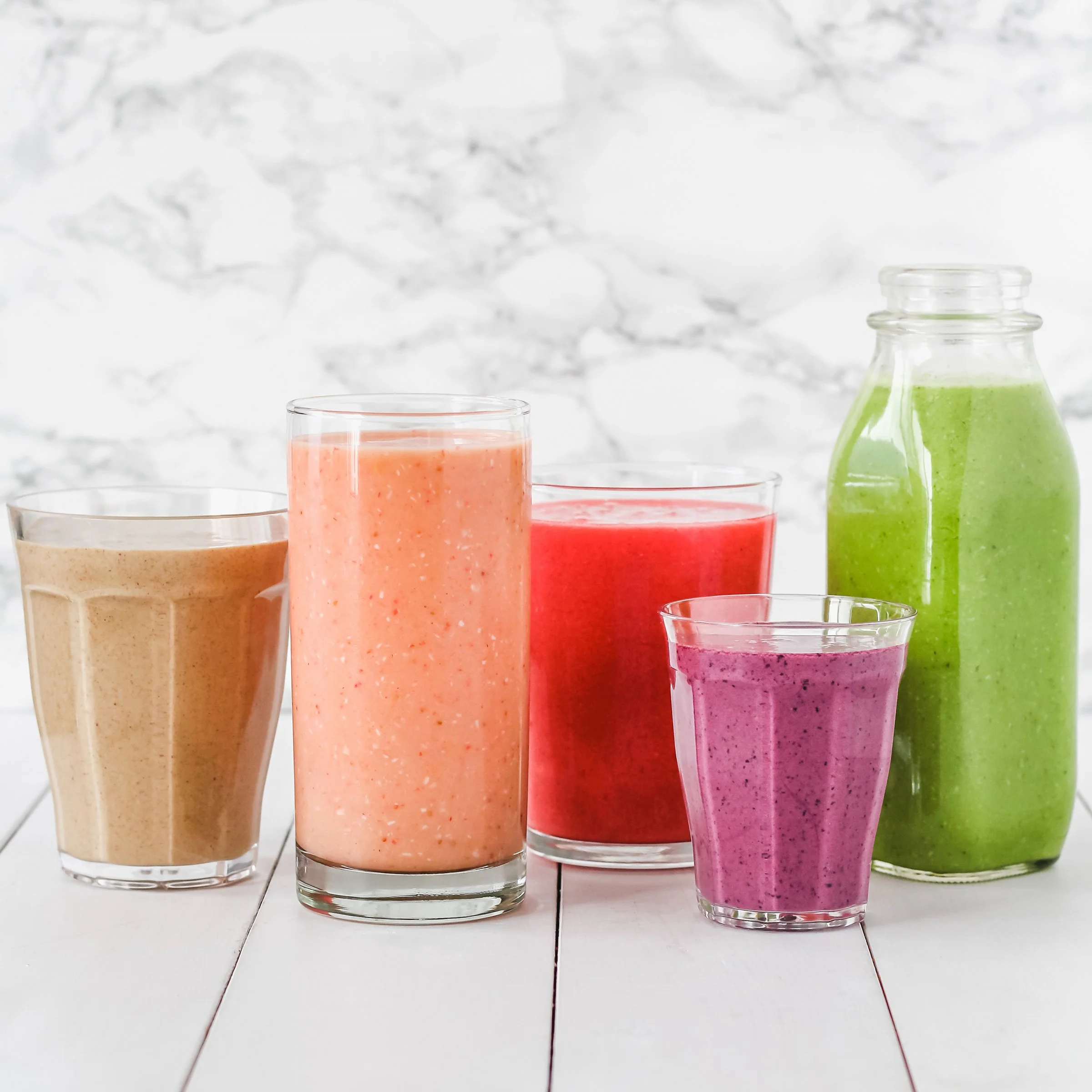
If you’ve spent five minutes on social media lately, you may be wondering if you’re supposed to be walking around with a chicken breast in one hand and a protein shake in the other.
Protein coffee. Protein cereal. Protein bars. Protein water. High protein everything.
And now we’re hearing about “protein maxing” — getting as much protein as possible into practically everything we eat.
But do women in their 40s, 50s and 60s really need that much?
Take it from someone who has been helping women eat better, exercise smarter and build stronger bodies since 1996. Yep, that’s 30 years. I’ve watched nutrition trends come and go, and one thing hasn’t changed: more isn’t automatically better.
Protein absolutely matters, especially as we get older. It helps us maintain muscle, supports recovery and becomes increasingly important when we’re strength training. But newer research is reinforcing something I’ve taught women for years: if you’re already meeting your protein needs through your regular diet, simply adding more and more supplemental protein doesn’t necessarily give you additional benefit.
And this is where social media can make healthy eating unnecessarily complicated.
Instead of worrying about whether your morning coffee has 20 grams of protein in it, start by looking at your actual meals.
Are you eating protein at breakfast, lunch and dinner?
If the answer is yes, you’re already doing something incredibly valuable for your body. Build those meals around a quality protein source, add carbohydrates from real, minimally processed foods, plenty of vegetables and healthy fats from foods like avocados, olives, nuts, seeds and coconut.
You don’t need to turn every single thing you eat into a protein delivery system.
Now, there are absolutely women who need to pay more attention to protein. If you’re regularly skipping meals, don’t enjoy many protein rich foods, have a reduced appetite or are taking a GLP 1 medication that makes it difficult to eat enough, this is where supplementation can be incredibly helpful. A quality whey isolate shake can give you protein when getting enough through food simply isn’t realistic.
But that’s exactly what a supplement is supposed to do: supplement what you’re missing.
After 30 years in this industry, one of the biggest lessons I can give women is this: stop allowing every new social media nutrition trend to convince you that you’re doing something wrong.
Eat real food. Get protein at your meals. Eat quality carbohydrates and healthy fats. Strength train consistently. And supplement when there’s actually something that needs supplementing.
Your body doesn’t need you to “max” everything.
It needs you to nourish it consistently.
